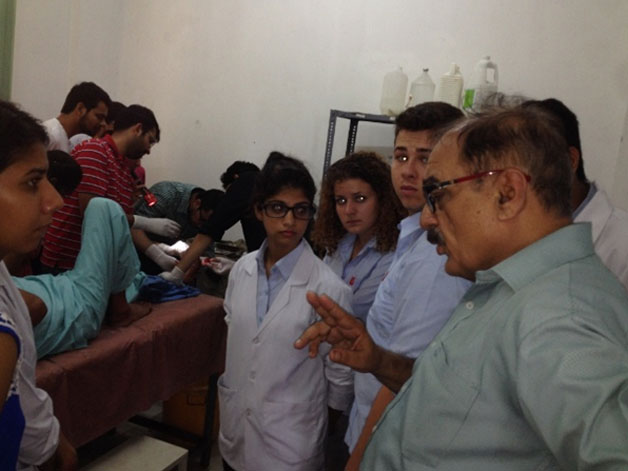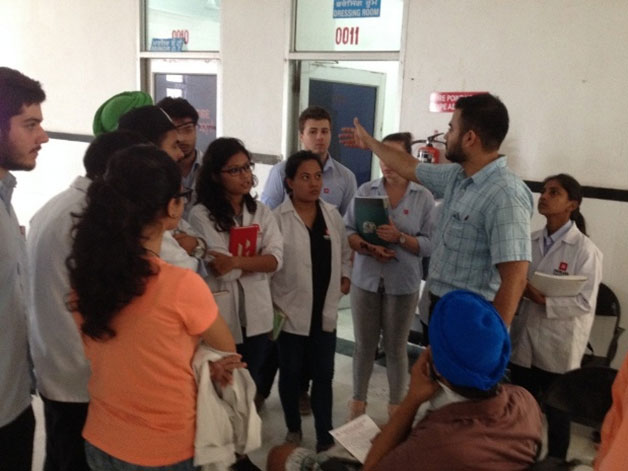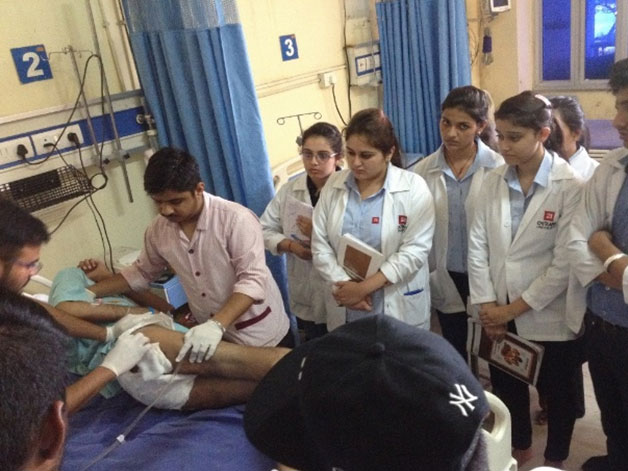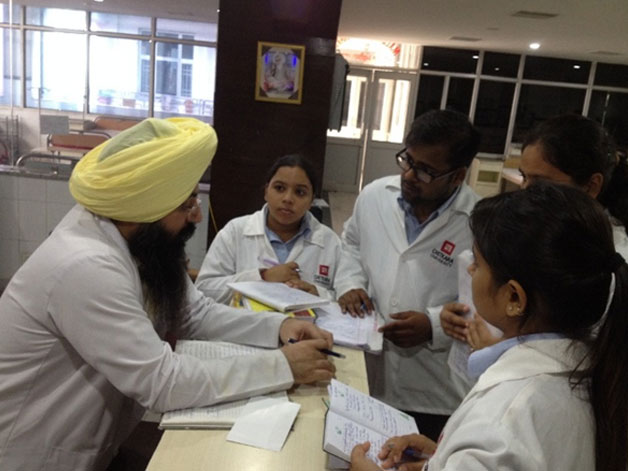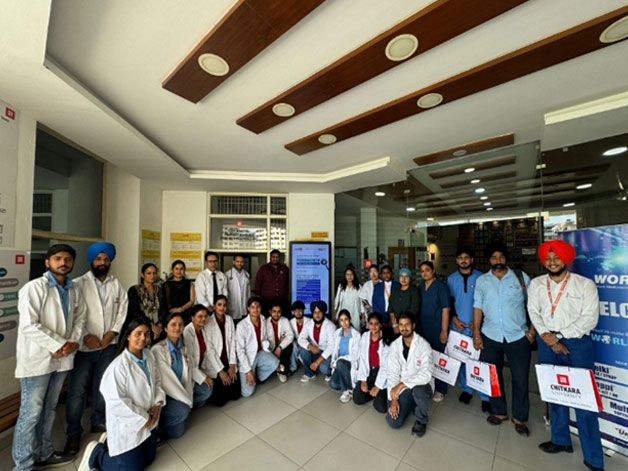
Pharmacy Practice at Chitkara College of Pharmacy, Chitkara University, Punjab is a dynamic and evolving department that plays a pivotal role in enhancing patient care, optimizing therapeutic outcomes, and advancing the healthcare system. At Chitkara College of Pharmacy, this field is nurtured through a well-structured curriculum, hands-on training, and a strong focus on interdisciplinary collaboration. The university integrates innovative teaching methods, advanced simulation labs, and real-world clinical exposure to prepare students for diverse roles in hospital, community, and clinical pharmacy settings. Emphasizing both academic excellence and professional development, Chitkara University is committed to shaping practice-ready pharmacists who contribute meaningfully to patient care, research, and public health.
Core Focus Areas of Pharmacy Practice at Chitkara University:
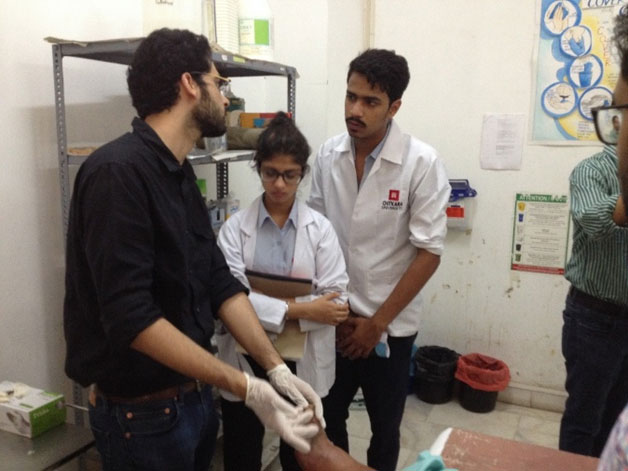
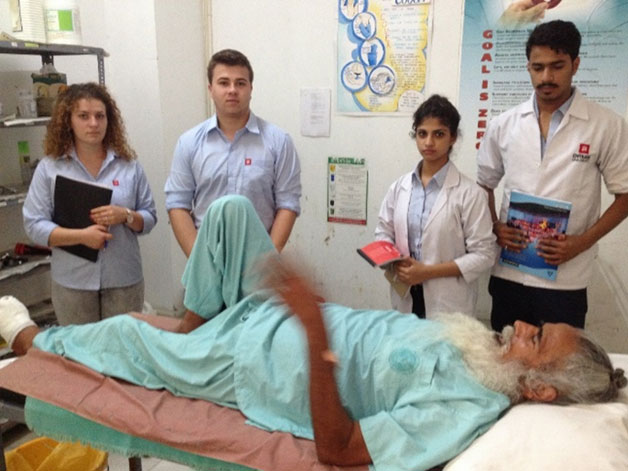
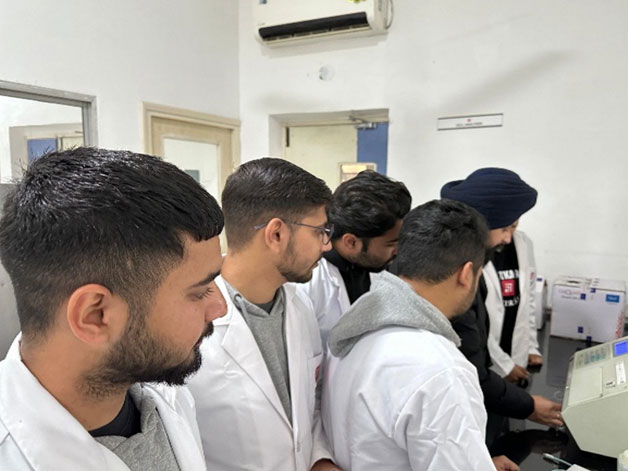
- Patient-Centered Clinical Training:Students engage in practical experiences that focus on patient counselling, medication review, and personalized therapy, with opportunities in affiliated hospitals and healthcare centres.
- Advanced Medication Therapy Management (MTM): The curriculum includes training in MTM, empowering students to assess, monitor, and optimize drug therapy for chronic diseases and polypharmacy cases.
- Interdisciplinary Learning and Collaboration: Chitkara promotes a team-based approach to healthcare through collaboration with nursing, medical, and allied health sciences students.
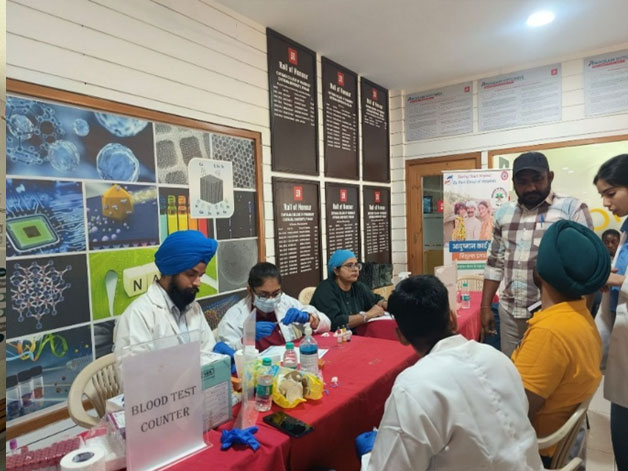
- Community and Public Health Initiatives: Students participate in health camps, vaccination drives, and awareness programs,
contributing to preventive healthcare and community engagement. - Pharmacovigilance and Drug Safety Training: The program emphasizes real-world skills in identifying and reporting adverse drug reactions (ADRs) and ensuring patient safety.
- Clinical Research and Evidence-Based Practice: Chitkara fosters a strong research culture, encouraging students to participate in clinical research, drug utilization studies, and patient outcome analysis.
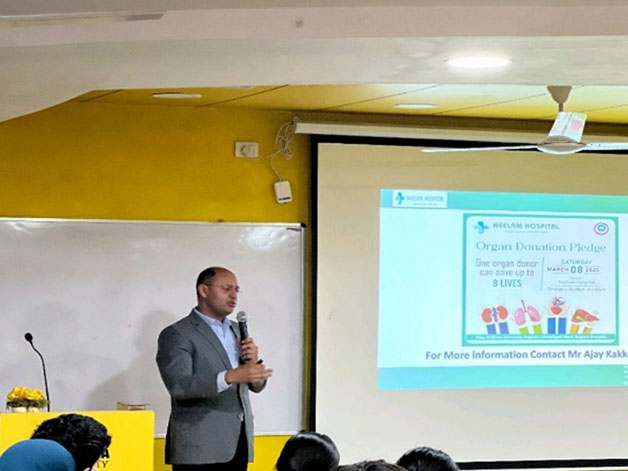
- Industry and Hospital Collaborations: Strategic partnerships with leading hospitals like Rajindra Hospital, Neelam Hospital, Gian Sagar Medical College and Hospital, Fortis Hospital and Max Hospital to provide experiential learning and internship opportunities.
- Holistic Professional Development: Workshops, certifications, and conferences are regularly organized to enhance communication skills, ethical practice, and leadership in pharmacy.
- Faculty Expertise and Guidance: A team of experienced faculty members, many with clinical and research backgrounds, mentor students in both academic and practical settings.
Key Members of Pharmacy Practice:

Professor, Pharmacy Practice, Assistant Dean (Pharm D. Administration) & HOD (Pharmacy Practice), College of Pharmacy, Chitkara University
Field of Specialization: Translational Biomarker Research and Clinical Diagnostics: Discovery and Validation of Protein and Metabolic Biomarkers Using Advanced ELISA and Metabolomics Techniques, Integration of Multi-Omic Data for Disease Profiling, Clinical Validation Through Pharmacy Practice Implementation, Development of Non-Invasive Diagnostic Assays for Early Disease Detection, Personalized Therapeutic Monitoring via Biomarker-Guided Strategies, Computational Biomarker Analysis with Machine Learning and Molecular Dynamics and Patient Management.
Responsibilities: Overseeing research projects, industry and hospital collaborations, conduct of hospital rounds and academic programs.
Professor, Pharmacy Practice, Chitkara College of Pharmacy, Chitkara University
Field of Specialization: Patient-Centered Care through Medication Therapy Management (MTM), Pharmacotherapeutic Monitoring, Patient Counseling and Education; Collaborative Practice via Interdisciplinary Team Involvement and Prescribing Authority (where applicable), Evidence-Based Clinical Decision Making through Drug Information Services; Public Health and Safety with Adverse Drug Reaction (ADR) Monitoring and Reporting, and Health Promotion and Disease Prevention including immunization programs, smoking cessation, and chronic disease screening.
Responsibilities: Professional and Ethical Practice- Ethical Responsibility
Continuous Professional Development (CPD): Staying updated through ongoing education and training. Research and Education
Clinical Research: Participating in or conducting research to improve pharmacotherapy and patient outcomes.

Associate Professor, Pharmacy Practice, HOD (Pharm. D.), Chitkara College of Pharmacy , Chitkara University
Field of Specialization: Antenatal and postnatal care practices, Safe delivery techniques and emergency obstetric care, Prevention and management of complications (e.g., preeclampsia, haemorrhage, neonatal sepsis), Maternal nutrition and mental health, Immunization and neonatal screening, Health education and community-based interventions, Access to quality healthcare and policy development.
Responsibilities: Overseeing research projects and academic programs.

Assistant Professor, Pharmacy Practice, Chitkara College of Pharmacy, Chitkara University
Field of Specialization:
Metabolic Disorders & Endocrine Pharmacotherapy, Oncological Diagnostics & Therapeutics, Pharmaceutical Innovations & Translational Medicine: Advanced pharmacotherapeutic strategies for endocrine and metabolic diseases, development and clinical evaluation of novel diagnostic and therapeutic approaches in oncology, and implementation of innovative pharmaceutical technologies to bridge laboratory discoveries with patient-centered clinical practice.
Responsibilities:
- Coordinator, Institutional Innovation Cell (IIC)
- Faculty Coordinator, IPA-SF Punjab State Chapter
- Educational Officer, ISPOR Student Chapter
Assistant Professor, Pharmacy Practice, Chitkara College of Pharmacy, Chitkara University
Field of Specialization:Pharmacotherapeutic Management and Clinical Advancement in Kidney Diseases: Evaluation and Validation of Novel Biomarkers for Renal Disorders, Expertise in Patient Counseling, Assessment of Drug-Drug Interactions, Adverse Drug Reaction (ADR) Reporting, and Medication Error Prevention, Application of Fundamental Principles of Clinical Drug Development, and Commitment to Driving Innovation and Positive Change in Healthcare Practice and Education.
Responsibilities:Overseeing research projects and academic programs.
Key Features of Pharmacy Practice department:
Advanced Equipment & Software:
- CelQuant Edge Cell Analyzer
- Erba Chem 6 ERBA analyser
- Wondfo Finecare FS-114 Fluorescence Immunoassay Analyzer
- The ERBA Mannheim Laura Smart Urine Analyzer
- BioTek Elisa ELx800 Absorbance Microplate Reader
- The Contec ECG 1200G
Industry & Academic Collaborations:
- MoUs with Rajindra Hospital, Neelam Hospital, Gian Sagar Medical College and Hospital, Fortis Hospital and Max Hospital
Training & Workshops:
- Regular workshops on Pharmacy Practice Module, GCP Training and others.
Facilities
Software: Lexicomp
Purpose of Software Usage
Lexicomp is a comprehensive drug information software designed for healthcare professionals to quickly access up-to-date, in-depth details about medications, including dosing, interactions, contraindications, side effects, and pharmacogenomics. It features tools such as a drug interaction checker, pill identifier, IV compatibility checker, and medical calculators, supporting safe prescribing, dispensing, and administration at the point of care. Additionally, Lexicomp provides patient education materials, toxicology resources, and information on laboratory tests, making it a valuable resource for clinical decision-making and improving patient safety in various healthcare settings
Equipment:
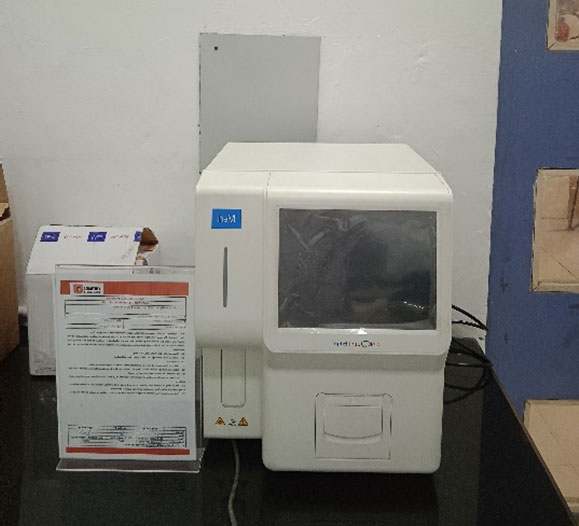
The CelQuant Edge Cell Analyzer is an automated, computerized hematology analyzer designed for efficient and accurate complete blood count (CBC) testing in laboratories. It is a 3-part differential dual-chamber analyzer capable of measuring 21 parameters and generating three histograms for white blood cells (WBC), red blood cells (RBC), and platelets (PLT). With a throughput of 60 tests per hour and a low sample volume requirement (≤14 µL for whole blood), it features a user-friendly 10.4-inch color touchscreen, advanced alarm and quality control systems, and supports seamless connectivity with laboratory information systems. The analyzer aids in diagnosing various types of anemia and provides automatic re-counting after unclogging, enhancing workflow efficiency and minimizing sample recollection needs.
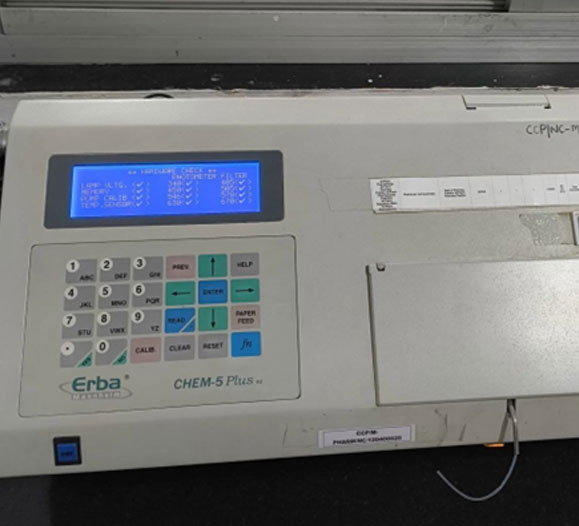
The Erba autoanalyzer, such as the Erba Chem 6, is a semi-automated clinical chemistry analyzer used in laboratories for biochemical analysis of blood and other body fluids. It supports a wide range of test programs (up to 222 user-defined tests) and can store up to 5,000 results. The instrument offers multipoint calibration (up to 6 standards), enhancing accuracy in test results. It is suitable for routine chemistry tests and is valued for its reliability, user-friendly interface, and efficiency in processing samples in clinical diagnostics settings.
Wondfo Finecare FS-114 Fluorescence Immunoassay Analyzer:
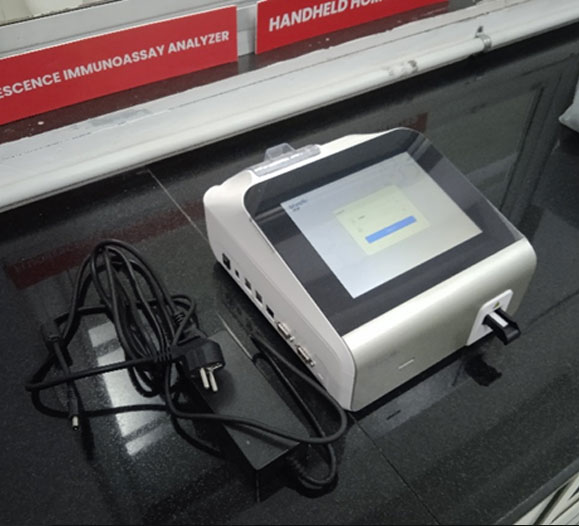
The Wondfo Finecare FS-114 Fluorescence Immunoassay Analyzer is a portable, quantitative analyzer designed for rapid and accurate detection of a wide range of biomarkers in human blood, serum, plasma, or urine. Using fluorescence immunoassay technology, it delivers results within 3–15 minutes, making it suitable for use in laboratories, emergency rooms, ICUs, clinics, and ambulances. The device features a user-friendly 8-inch LCD touchscreen, built-in thermal printer, WiFi and LIS/HIS connectivity, and a rechargeable battery that allows for up to 21 hours of standby time or 200 tests without external power. It supports multiple test items, including cardiac markers, inflammation markers, tumor markers, diabetic nephropathy markers, and infectious disease markers, providing reliable and quantitative results to aid in clinical diagnosis and patient management.
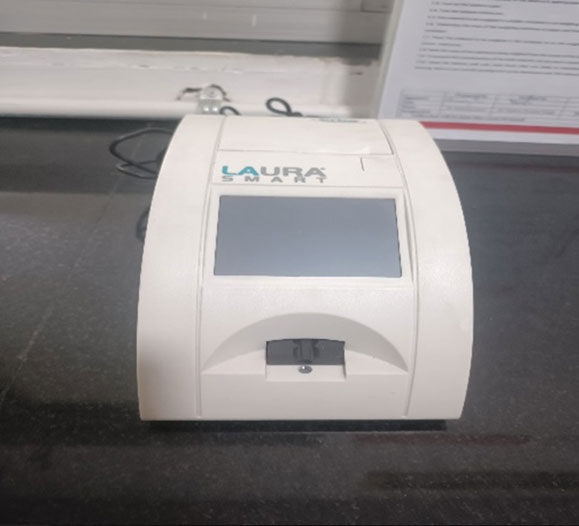
The ERBA Mannheim Urine Analyzer – Laura Smart is a compact, semi-automated urine strip analyzer designed for routine chemical urinalysis in clinical laboratories, clinics, and point-of-care settings. Using reflectance photometry with three wavelengths (470, 540, and 650 nm), it objectively measures up to 12–13 urine parameters, including specific gravity, leucocytes, nitrite, pH, protein, glucose, ketones, urobilinogen, bilirubin, blood, microalbumin, and creatinine. The analyzer features two measuring modes: Standard (60 tests/hour) and Smart Timing (up to 240 tests/hour), automatic strip type recognition, easy operation via touchscreen, built-in thermal printer, LIS connectivity, and the option for portable battery-powered use. Laura Smart minimizes subjective errors in strip reading, supports sample identification via keyboard or barcode, and offers quick, reliable results with simple maintenance—making it ideal for both small labs and mobile healthcare providers.
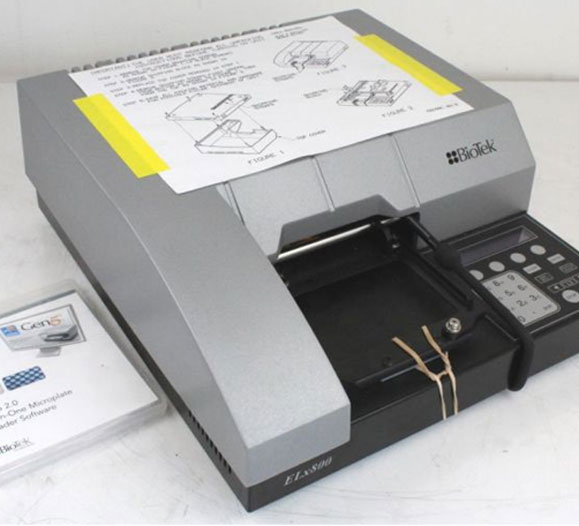
The BioTek ELx800 Absorbance Microplate Reader is a compact, robust instrument designed for quantitative and qualitative analysis in ELISA and other absorbance-based assays. It accommodates 6- to 96-well microplates (and up to 384 wells in the NB model) and operates within a wavelength range of 400–750 nm, with some models extending down to 340 nm. The ELx800 delivers precise optical density measurements with a dynamic range up to 3.0 OD and a resolution of 0.001 OD, supporting endpoint, kinetic, and area scanning read methods. It features a 5-position filter wheel, onboard software for protocol management and data analysis, and can be controlled via Gen5 software for advanced data handling and compliance needs. Its reliability, user-friendly interface, and flexibility make it well-suited for clinical, research, and pharmaceutical laboratories.
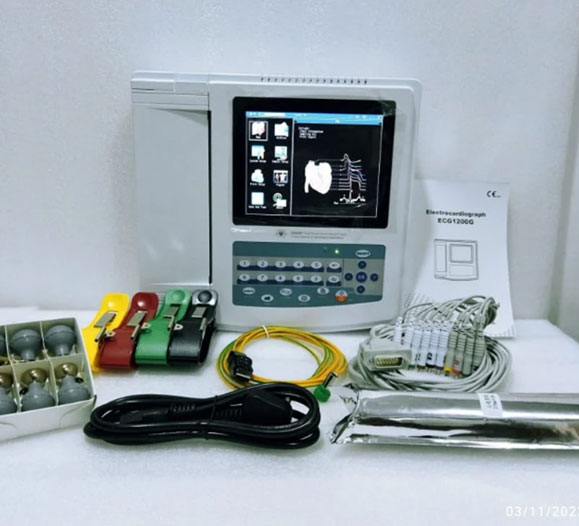
The Contec ECG 1200G is a 12-channel electrocardiograph designed for simultaneous acquisition and analysis of 12-lead ECG signals, making it suitable for hospitals, clinics, and other medical establishments. It features an 8-inch color touchscreen display, user-friendly button operation, and supports both automatic and manual recording modes. The device uses advanced digital signal processing with power frequency, baseline, and EMG filters to ensure high-quality ECG waveforms. It offers multiple printing modes and formats, including various auto and rhythm settings, and allows adjustment of waveform length and paper speed (ranging from 5 to 50 mm/s). The 1200G provides automatic measurement and diagnosis of key ECG parameters, reducing the clinician’s workload, and stores up to 1000 patient cases in its internal memory. Additional features include multi-language interface support, a built-in rechargeable battery with up to 10 hours standby and 3 hours continuous printing, and optional PC connectivity for enhanced data management.
Expected Outcomes & Achievements:
Expected Outcomes:
- Improved patient health outcomes through optimized medication therapy management
- Enhanced patient counseling and medication education
- Promotion of rational and evidence-based drug use
- Strengthened interprofessional collaboration with healthcare teams
- Increased patient safety and reduction in medication errors
- Greater compliance with regulatory and accreditation standards
- Active participation in public health and community outreach programs
- Ongoing professional development for pharmacy staff and students
- Designing of Research Proposal for M.Pharm Pharmacy Practice, Pharm.D. and PhD Students.
- Review and research publications has been communicated.
- Research Publications: High-impact papers in SCI/Scopus-indexed journals.
- Placements & Internships: Students placed in Pharmacovigilance, medical writing, clinical research coordinator, business analyst etc. roles in pharma/ CRO firms.
Achievements:
- Successful implementation of clinical pharmacy and medication review programs
- Improved patient satisfaction and feedback scores
- Publication of research articles and case studies in reputable journals
- Recognition or awards for excellence in pharmacy services
- Training and mentoring of pharmacy students, interns, and residents
- Adoption of innovative technologies (e.g., electronic health records, clinical decision support tools)
- Contribution to hospital or institutional quality improvement projects
- Active involvement in health promotion and disease prevention initiatives
Key Publications:
- Anand G, Upadhyay S, Pasricha C, Singh R. Prevalence of long COVID in India and its impact on morbidity in terms of Years Lived with Disability: A semi-systematic review. InAIP Conference Proceedings 2024 Oct 11 (Vol. 3209, No. 1). AIP Publishing.
- Upadhyay S, Anand G, Pasricha C, Singh R. Long COVID in India and its impact on mental health: A comprehensive review. InAIP Conference Proceedings 2024 Oct 11 (Vol. 3209, No. 1). AIP Publishing.
- Pasricha C, Bansal N, Kaur R, Kumari P, Jangra S, Singh R. Immunoglobulins: Mechanistic Approaches in Moderation of Various Inflammatory and Anti-Inflammatory Pathways. Current pharmaceutical biotechnology.
- Kanotra M, Kaur R, Pasricha C, Kumari P, Singh R, Singh V, Ahmad SF. Diagnostic challenge of cutis Verticis Gyrata (CVG) in a patient presenting clinical features of Noonan or turner syndrome. Molecular Genetics and Metabolism Reports. 2024 Dec 1;41:101133.
- Kundra S, Kaur R, Pasricha C, Kumari P, Singh TG, Singh R. Pathological insights into activin A: Molecular underpinnings and therapeutic prospects in various diseases. International Immunopharmacology. 2024 Sep 30;139:112709.
- Singh V, Shri R, Sood P, Singh M, Singh TG, Singh R, Kaur A, Kumar A, Singh T, Ahmad SF, Attia SM. 3-hydroxy-3′,4′,5′-trimethoxyflavone protects rats against lead-induced neurotoxicity via chelation and modulating oxidative stress, inflammatory and monoaminergic systems. Journal of Functional Foods. 2024;118:106278.
- Singh V, Shri R, Sood P, Singh M, Singh TG, Singh R, Kumar A, Ahmad SF. 5, 7-dihydroxy-3′, 4′, 5′-trimethoxyflavone mitigates lead induced neurotoxicity in rats via its chelating, antioxidant, anti-inflammatory and monoaminergic properties. Food and Chemical Toxicology. 2024 May 18:114747.
- Singh R, Singh V, Ahmad MA, Pasricha C, Kumari P, Singh TG, Kaur R, Mujwar S, Wani TA, Zargar S. Unveiling the Role of PAR 1: A Crucial Link with Inflammation in Diabetic Subjects with COVID-19. Pharmaceuticals. 2024 Apr 1;17(4):454.
- Sapna Bhardwaj, Rupinder Kaur, Sumit Sharma, Chirag Pasricha, Neha Jamwal, Ravinder Singh, Poonam Arora, Paranjeet Kaur, Sanjeev Kumar Sahu. A Scoping Review and Preliminary Illustrative Analysis of Biomarkers in Stress Related Psychiatric Illness Diagnostic and Prognostic Implications. EDP Sciences. 2024; 01039
- Jaura RS, Baishnab S, Sharma S, Garg H, Singh TG. Pharmacoeconomic Aspects of Diabetes Mellitus: Outcomes and Analysis of Health Benefits Approach. Current Diabetes Reviews. 2023 Oct
- Goyal S, Singh M, Thirumal D, Sharma P, Mujwar S, Mishra KK, Singh TG, Singh R, Singh V, Singh T, Ahmad SF. In Silico Approaches to Developing Novel Glycogen Synthase Kinase β GSKβ. Biomedicines. 11(10); 2023:2784.
- Rupinder Kaur, Pawan Krishan, Varinder Singh, Ravinder Singh and Pratima Kumari, Sheikh F. Ahmad. Clinical Significance of Adropin and Afamin in Evaluating Renal Function and Cardiovascular Health in the Presence of CKD-MBD Biomarkers in Chronic Kidney Disease. Diagnostics 2023, 13(19), 3158.
- Ahmad A, Kaur H, Kumari P, Singh R, Kaur R, Chopra H, Sardana O, Emran TB, Dhama K. AZD ChAdOx nCoV Vaccine Hurdles and Visions. Journal of Pure Applied Microbiology. 17(1); 2023: 12-22.
- Singh R, Singh V, Kumari P, Aggarwal N, Oberoi M, Khan H, Singh TG Evolutionary un-masking Resuscitative therapeutics potential of centhaquin citrate in hypovolemic shock. CNS & Neurological Disorders Drug Targets, 23 Jun 2023.
- Malik N, Chorosho SH, Kumari P, Kaur R, Singh R, Chopra H, Emran TB. Omental torsion: diagnostic challenge in patients with sclerosing cholangitis and inflammatory bowel disease–case report. Annals of Medicine and Surgery. 2023 Sep 1;85(9):4543-6.
- Bansal N, Pasricha C, Kumari P, Jangra S, Kaur R, Singh R. A comprehensive overview of juvenile idiopathic arthritis: From pathophysiology to management. Autoimmunity Reviews. 2023 Apr 15:103337.
- Singh V, Kaur R, Kumari P, Pasricha C, Singh R. ICAM-1 and VCAM-1: gatekeepers in various inflammatory and cardiovascular disorders. Clinica Chimica Acta. 2023 Jul 11:117487.
- Singh, Ravinder, Manjinder Singh, Varinder Singh, Pratima Kumari, Hitesh Chopra, and Om Prakash Choudhary. Airport smoking zones as a potential public health hazard. International Journal of Surgery. 10;1097;2023
- Sibia, R.S., Sood, A., Subedi, A., Sharma, A., Mittal, A., Singh, G., Singh, T.G., Jaura, R.S. and Goyal, S., 2023. Elevated serum PAR‐1 levels as an emerging biomarker of inflammation to predict the dengue infection severity. Journal of Medical Virology, 95(1), p.e28152.
- Saziini H. Chorosho, Neha Malik, Gulsheen Panesar, Pratima Kumari, Sarita Jangra, Rupinder Kaur, Mariam S. Al-Ghamdi, Tasahil S. Albishi, Hitesh Chopra, Ravinder Singh, and H. C. Ananda Murthy. Phytochemicals: Alternative for Infertility Treatment and Associated Conditions. Oxidative Medicine and Cellular Longevity. 2023
- Goyal, S., Sood, A., Gautam, I., Pradhan, S., Mondal, P., Singh, G., Jaura, R.S., Singh, T.G. and Sibia, R.S., 2022. Serum protease- activated receptor (PAR-1) levels as a potential biomarker for diagnosis of inflammation in type 2 diabetic patients. Inflammopharmacology, 30(5), pp.1843-1851.
- Goel, S., Singh, R., Singh, V., Singh, H., Kumari, P., Chopra, H., Sharma, R., Nepovimova, E., Valis, M., Kuca, K. and Emran, T.B., 2022. Metformin: Activation of 5′ AMP-activated protein kinase and its emerging potential beyond anti-hyperglycemic action. Frontiers in Genetics, 13.
- Sood, A., Baishnab, S., Gautam, I., Choudhary, P., Lang, D.K., Jaura, R.S. and Singh, T.G., 2023. Exploring various novel diagnostic and therapeutic approaches in treating diabetic retinopathy. Inflammopharmacology, pp.1-14.
- Jangra S, Bhyan B, Shaima KA, Rani S, Singh R, Tare H. Genital gangrene in a patient with type II diabetes mellitus, treated with dapagliflozin: a case report. Multidisciplinary Science Journal. 5(1):e2023009;2023
- Shiveena Bhatia, Varinder Singh, Manjinder Singh, Deepinder Singh, Tanveer Singh, Mona Piplani and Ravinder Singh. Ethosomes: Novel Vesicular Carriers for Effective Transdermal Delivery of Natural Therapeutics. Letters in Drug Design & Discovery. 2023
- Kaur, R., Singh, V., Kumari, P., Singh, R., Chopra, H. and Emran, T.B., 2022. Novel insights on the role of VCAM-1 and ICAM-1: Potential biomarkers for cardiovascular diseases. Annals of Medicine and Surgery, 84, p.104802.
- Ravinder Singh, Pratima Kumari, Abhimanyu Prashar, Ojus Sardana, and Varinder Singh. “Assessment of medication adherence among type-2 diabetes mellitus in a tertiary care hospital of North India.” Environmental Science and Pollution Research. 29, 17 (2022): 24951-24955.
- Sardana, O., Kumari, P., Singh, R., Chopra, H. and Emran, T.B., 2022. Health-related quality of life among acute pancreatitis patients correlates with metabolic variables and associated factors. Annals of Medicine and Surgery, 82, p.104504.
- Kaur, R. and Singh, R., 2022. Mechanistic insights into CKD-MBD- related vascular calcification and its clinical implications. Life Sciences, p.121148.
- Singh, R., Goyal, S., Aggarwal, N., Mehta, S., Kumari, P., Singh, V., Chopra, H. and Emran, T.B., 2022. Study on dengue severity in diabetic and non-diabetic population of tertiary care hospital by assessing inflammatory indicators. Annals of Medicine and Surgery, 82, p.104710.
- Sahil Malik, Ravinder Singh, Govind Arora, Akriti Dangol, Sanjay Goyal: Biomarkers for Major Depressive Disorder: Knowing is half the battle. Clinical Psychopharmacology and Neuroscience. 19(1):12-25, 2021
- Ravinder Singh, H.K.Rao, Thakur Gurjeet Singh : Comparison of Safety and Efficacy of Pregabalin, Duloxetine and Their Combination with Epalrestat in Diabetic Neuropathy: A Prospective, Double-Blind, Randomized, Controlled trial. Journal of applied pharmaceutical sciences 11:71-79, 2021
- Ravinder Singh, Nidhi Garg, Pratima Syal, Stakshi Sood, Monics Rani, Kirajeet Kaur, Manjinder Singh, Balraj Saini: Quality of Life in Diabetes Mellitus. Nova Publishers Book Chapter 2021 (978-1- 53619-177-6)
- Ravinder Singh, Harbir kaur Rao and Thakur Gurjeet Singh- Advanced Glycated end products (AGEs) in Diabetes and its complications: an insight. Obesity Medicine, Plant Archives Vol. 20, Supplement 1, 2020 pp. 3838-3841
- Deepika, Ravinder Singh, Thakur Gurjeet Singh, Manjinder Singh1, Balraj Saini, Rupinder Kaur, Sandeep Arora and Rajinder Singh1” Status of E-Pharmacies in India: A Review”. Plant Archives Vol. 20, Supplement 1, 2020 pp. 3763-3767
- Kaur R, Singh S, Singh TG, Sood P, Robert J. Covid-19: pharmacotherapeutic insights on various curative approaches in terms of vulnerability, comorbidities, and vaccination. Inflammopharmacology. 2022 Feb;30(1):1-21.
- Singh S, Singh TG, Rehni AK, Sharma V, Singh M, Kaur R. Reviving mitochondrial bioenergetics: a relevant approach in epilepsy. Mitochondrion. 2021 May 1;58:213-26.
- Diabetic Retinopathy: An insight into clinical features, therapeutic approaches, and Implications.